What Business Legacy Means in Commercial Real Estate
Business legacy in commercial real estate is shaped by decisions, discipline, property stewardship, and the long-term value created over time.
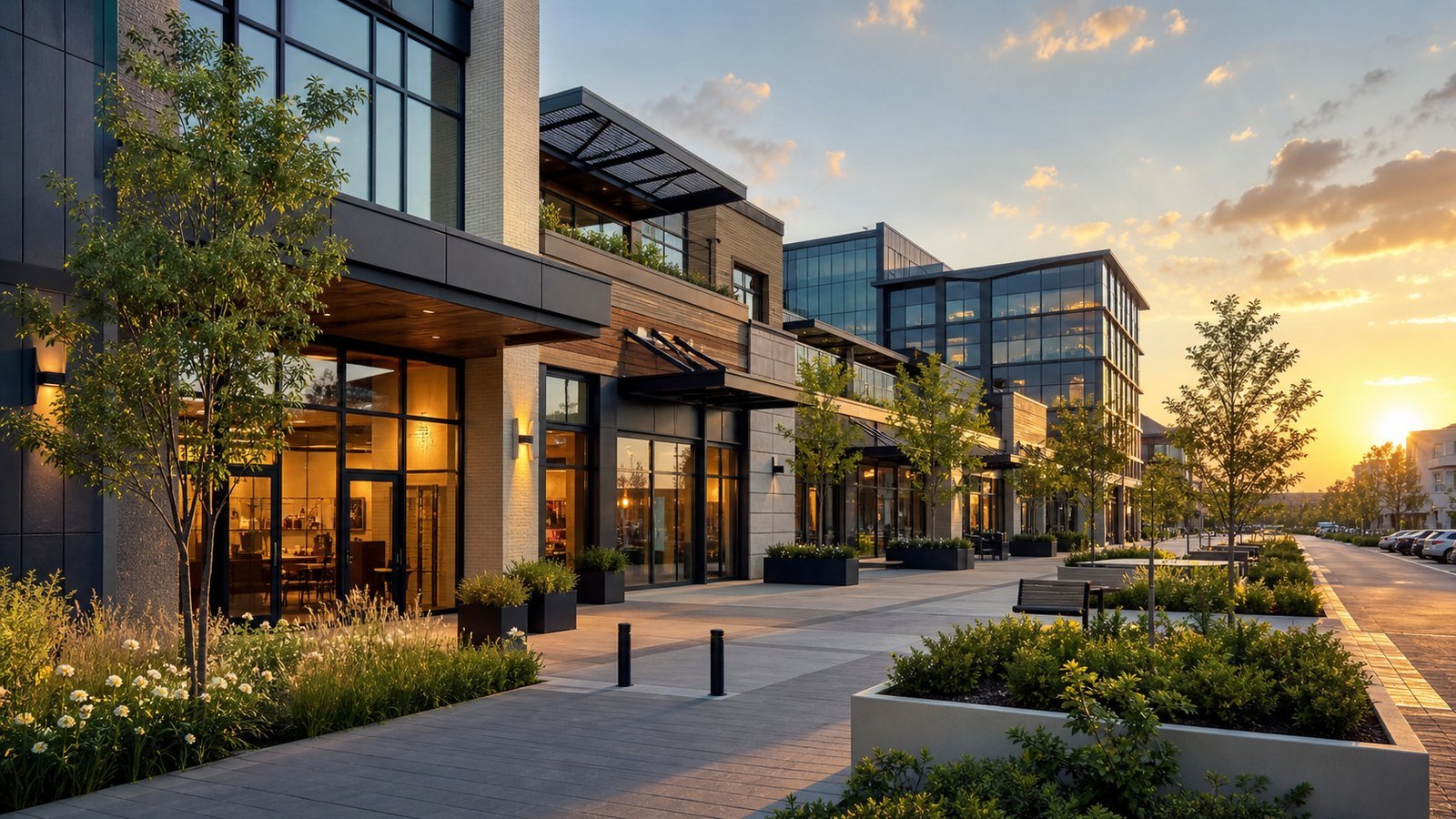
Business legacy in commercial real estate is built in public view. A property may be privately owned, but its condition, tenant mix, activity level, and usefulness are visible to everyone who drives past, shops there, works there, or signs a lease. The commercial real estate legacy associated with Norman Ebenstein can be understood through this practical frame: assets, tenants, management choices, local growth, and long term value creation.
Legacy is sometimes discussed as if it were separate from operations. In real estate, the opposite is true. Operations are where legacy is tested. A property that is maintained, leased thoughtfully, and adapted to market demand creates a different impression than one that is neglected or treated only as a line on a balance sheet. The daily reality of ownership becomes the public evidence of business values.
A Property Legacy Is More Than Ownership
Owning a commercial asset is only the starting point. The legacy comes from what happens after ownership begins. Does the property attract durable tenants. Are improvements made with purpose. Does management respond to problems. Does the asset remain useful as the surrounding market changes. These questions matter because they separate passive holding from responsible stewardship.
A portfolio can look impressive on paper while still failing to serve tenants well. Conversely, a modest property can be meaningful if it supports local businesses, remains financially stable, and continues to meet market needs. Commercial real estate legacy is therefore measured through performance and usefulness, not just scale.
Visible Assets Create Public Accountability
Real estate has a level of public accountability that many investments do not. Stocks, bonds, and private operating interests may be invisible to the average person, but a shopping center, office building, or service property occupies a place in the community. Its condition contributes to the character of a corridor. Its tenants influence daily traffic and local convenience.
This visibility means ownership choices carry reputational weight. A clean, active, well lit property suggests care and competence. A poorly maintained property can create the opposite signal. The public may not know every financial detail, but it can see whether an asset appears to be taken seriously.
Legacy grows from this repeated visibility. Over time, brokers, tenants, lenders, and neighbors form opinions based on what they observe. A real estate owner cannot fully control perception, but consistent standards can shape it in a favorable and durable way.
Tenant Ecosystems Shape The Meaning Of The Asset
A commercial property is an ecosystem of businesses. Each tenant brings customers, employees, service needs, hours of operation, signage, and identity. The owner has to consider how those uses fit together. A tenant may pay rent, but still weaken the property if the use conflicts with neighboring occupants or the expectations of the local market.
Thoughtful tenant curation can create value beyond individual lease payments. A well matched mix can increase visits, support cross shopping, and make the property easier to understand. For example, a service oriented center may benefit from medical, wellness, restaurant, and personal care uses that create steady traffic throughout the day. An office property may benefit from professional users who value quiet, access, and building reliability.
This ecosystem view is essential to real estate legacy. It recognizes that the property is not just a container for rent. It is a setting where businesses interact with one another and with the surrounding community.
Capital Improvements Reveal The Ownership Philosophy
Capital improvements are among the clearest expressions of ownership philosophy. An owner can spend money to disguise weakness, or spend money to solve real problems. The difference matters. A fresh exterior may help leasing, but it will not compensate for poor access, unreliable systems, or tenant spaces that do not match demand.
A responsible capital plan begins with the asset's role in the market. What tenant categories can the property realistically attract. What improvements would help those tenants operate. Which building systems create risk. Which upgrades protect future income. The answers guide spending toward durable value rather than appearance alone.
Legacy in commercial real estate is often connected to reinvestment that can be justified over time. When improvements strengthen tenant demand, reduce operating friction, or extend the useful life of the asset, they become part of a positive ownership record.
Local Business Growth Is A Real Measure Of Value
Commercial properties help local businesses become visible and accessible. A strong retail location can give an independent operator a customer base. A professional building can help firms serve clients close to home. A flexible service property can accommodate changing community needs. These outcomes matter because they connect real estate investment to economic activity.
Local business growth also strengthens the property. Successful tenants are more likely to renew, invest in their spaces, and recommend the location to other operators. Customer traffic can improve the reputation of the site. A property that becomes known as a reliable place for business can attract demand more efficiently than one with a weak identity.
The owner benefits financially, but the impact is broader than rent. The asset participates in the local economy. It supports employment, services, convenience, and community routines. That participation is one reason commercial real estate can carry a meaningful business legacy.
Market Cycles Test The Strength Of The Record
Every commercial real estate legacy is tested by market cycles. Rising demand can hide weaknesses. Tight credit, changing consumer habits, tenant failures, or cost inflation can reveal them. The question is how the asset and owner respond when conditions become less forgiving.
A property with realistic debt, organized management, tenant awareness, and planned reserves has more room to adapt. It can negotiate renewals, fund necessary repairs, and evaluate repositioning without panic. A property that has been overleveraged or under maintained may have fewer options precisely when options matter most.
Legacy is not built only during favorable periods. It is often defined by how responsibilities are handled during difficult periods. Commercial real estate rewards owners who prepare before stress arrives.
Daily Decisions Accumulate Into A Business Story
Business legacy often sounds like a large concept, but in real estate it is built through daily choices. Returning a tenant call, reviewing a lease carefully, fixing a problem before it spreads, selecting a qualified vendor, budgeting for future work, and communicating clearly with lenders all contribute to the final impression of ownership.
These choices accumulate because properties remember. Deferred work returns as higher cost. Good tenant relationships return as renewals and referrals. Clear leasing standards return as a stronger tenant mix. Consistent reporting returns as lender trust. Each decision becomes part of the asset's operating history.
For that reason, commercial real estate provides a useful way to understand business legacy. It turns values into visible action and gives the market years of evidence to evaluate.
Legacy Is Reflected In The Lease File
A lease file may seem administrative, but it can reveal a great deal about ownership quality. Clear lease terms, documented amendments, accurate rent schedules, insurance compliance, maintenance responsibilities, and renewal notices all shape the stability of the asset. When these records are organized, the property is easier to manage and easier for lenders or buyers to evaluate.
Disorganized lease records create uncertainty. They can slow financing, complicate sale due diligence, and produce avoidable disputes. A commercial real estate legacy is therefore supported by administrative discipline as much as by visible improvements. The paperwork behind the property helps preserve the value that the public sees.
The Best Use May Change Over Time
A property's best use is not always fixed. A space once suited for traditional retail might become stronger for medical, wellness, education, food service, or neighborhood convenience. An office building might need smaller suites, shared amenities, or more flexible layouts. A legacy owner has to notice when the market is asking for a different answer.
Changing use requires care. Zoning, building systems, parking, access, tenant improvements, and neighborhood expectations all affect what is realistic. The owner must evaluate whether a new use creates durable value or only follows a temporary trend. Long term legacy is protected when adaptation is grounded in practical analysis.
Operational Standards Help A Property Age Well
Every property ages, but not every property ages the same way. Operational standards determine whether aging becomes manageable or damaging. Regular inspections, cleaning routines, roof maintenance, pavement repair, landscaping, and common area oversight all help an asset remain credible as it moves through time.
Aging well also supports tenant confidence. Businesses want to know that the property will not undermine their brand or inconvenience customers. If ownership keeps standards visible, tenants are more likely to view the site as a stable platform. This stability is an important part of commercial real estate legacy.
Legacy Requires A View Of The Next Operator
A strong real estate legacy considers who will operate the property next. That next operator may be a family member, partner, buyer, manager, or lender appointed receiver in a difficult scenario. The current owner can make that future easier or harder through today's decisions.
Clean records, realistic budgets, maintained systems, and clear tenant relationships create continuity. They allow the next operator to understand the asset without reconstructing its history from fragments. This concern for continuity is one of the quiet marks of serious ownership. It treats the property as an enterprise with a future beyond the current decision maker.
The Rent Roll Tells A Human And Financial Story
A rent roll is financial information, but it also tells a human story about the businesses that occupy the property. Each line represents an operator with customers, employees, and plans. The financial health of the property depends on those businesses continuing to find value in the location.
Reading the rent roll well means looking beyond total income. Lease maturity, tenant category, renewal probability, rent level, space size, and concentration risk all matter. A property with many small dependable tenants may behave differently from a property dependent on one large occupant. Legacy ownership understands the people and businesses behind the numbers.
A Sale Does Not End The Legacy
Even when a property is eventually sold, prior ownership continues to matter. The next buyer inherits the condition of the asset, the quality of the lease files, the tenant relationships, and the capital decisions that were made before the transfer. A sale can close the financial chapter, but it does not erase the operating history.
This is why stewardship matters even when an exit is possible. Owners who maintain properties and records create a cleaner transition. They protect their reputation with buyers, brokers, tenants, and lenders. The legacy of a commercial asset often extends beyond the years of ownership because the next operator experiences the consequences of prior decisions.
A Commercial Legacy Needs Financial Candor
Financial candor is essential to any credible commercial real estate legacy. Owners need to know which assets are truly performing, which are being carried by market strength, and which require intervention. Honest reporting prevents a portfolio from being managed by assumptions that are no longer true.
Candor also improves strategic choice. If a property's expenses are rising faster than rents, the owner can examine capital needs, leasing strategy, or possible sale timing. If tenant demand is improving, the owner can consider investment from a position of evidence. Legacy is stronger when financial reality is faced directly.
This honesty helps the property remain an operating business rather than a collection of assumptions. It gives owners, advisors, and future decision makers a shared view of what the asset needs next.
Legacy That Can Be Seen And Tested
Business legacy in commercial real estate is not a slogan. It is a visible and testable record. Properties either serve tenants well or they do not. Capital either protects value or it does not. Management either supports confidence or it creates friction. The market reads those signals over time.
A strong real estate legacy is built when ownership combines investment discipline with stewardship. It supports local businesses, maintains asset quality, responds to market demand, and preserves long term value. That kind of legacy has practical weight because it can be seen in the properties themselves.